
 English
 Español
 Portugues
 Pусский
 Français
 Deutsch
 ไทย
ไทย Türk dili
 Tiếng Việt


أحجام المروحة FPV 3 Blade
FPV 3-Blade Propeller Sizes: A Comprehensive Guide FPV (First-Person View) drones rely heavily on propellers for performance, efficiency, and maneuverability. Among the various types, 3-blade propellers are popular for their balance between thrust and responsiveness. Understanding propeller sizes is crucial for optimizing flight characteristics, battery life, and overall drone performance. Key Measurements: Diameter and Pitch FPV propeller sizes are defined by two primary numbers (e.g., 5x4.5): - Diameter (First Number): The length from tip to tip, measured in inches. Larger diameters generate more thrust but require more power and slower RPMs. Smaller diameters spin faster, improving agility but reducing lift. - Pitch (Second Number): The theoretical distance a propeller travels in one revolution. Higher pitch propellers move more air, increasing speed but demanding more motor power. Lower pitch offers better low-end torque and efficiency. Common 3-Blade Sizes for FPV Drones 1. 5x3x3: A balanced choice for lightweight freestyle or racing drones, offering good thrust without excessive power draw. 2. 5x4.3x3: Slightly higher pitch for faster speeds, ideal for racers needing quick acceleration. 3. 6x3x3: Larger diameter for more lift, often used in cinematic or long-range builds where stability is prioritized. 4. 5.1x5.1x3: A high-pitch option for aggressive racing, though it may strain batteries and motors. Blade Count: Why 3 Blades? 3-blade propellers strike a middle ground: - Advantages: More grip in the air than 2-blade props, leading to smoother control. They also generate more thrust at lower RPMs compared to 2-blade designs. - Disadvantages: Slightly less efficient than 2-blade props due to increased drag, which can reduce flight time. Material and Design Most FPV 3-blade props are made from durable plastics like polycarbonate or nylon. Some feature reinforced hubs or flexible designs to withstand crashes. The blade shape (e.g., bullnose for thrust or hybrid for efficiency) also affects performance. Choosing the Right Size Selecting a propeller depends on: - Drone Weight: Heavier drones need larger diameters or higher pitch. - Motor KV: High-KV motors pair well with smaller props; low-KV motors handle larger props. - Flight Style: Freestyle pilots may prefer responsive mid-pitch props, while racers opt for high-pitch designs. Conclusion 3-blade propellers are versatile for FPV applications, offering a blend of thrust, control, and speed. By matching propeller size to your drone’s weight, motor specs, and flying style, you can optimize performance and enjoy a smoother flying experience. Always test different sizes to find the perfect balance for your needs.
نتاج
تصنيف:
ملحقات الطائرات بدون طيار
-
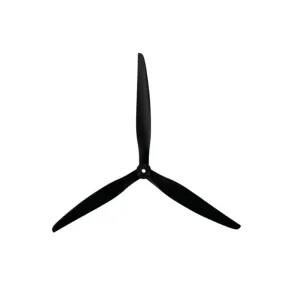
متعددة الحجم بدون طيار 3 شفرات المروحة
تصنيفها: ملحقات الطائرات بدون طيارالمشاهدات: 127عدد:وقت الإصدار: 2025-10-13 16:41:40توفر XYH Multi Size Drone 3 Blade Propeller 4 أحجام (7x4x3، 8040، CW1050، CCW1310) من الأسمنت البلاستيكي أو النايلون من الألياف الزجاجية. مصممة لطائرات بدون طيار FPV، فهي تناسب إطارات الطائرات بدون طيار من ألياف الكربون، وأطقم طائرات بدون طيار FPV مقاس 5 بوصة، وطائرات بدون طيار للسباق، مما يوازن بين الدفع والثبات والمتانة لتلبية احتياجات الطيران المتنوعة.نظرة عامة على المنتجتم تصميم سلسلة المروحة متعددة الحجم بدون طيار ذات 3 شفرات لرفع أداء الطائرات بدون طيار عبر الأحجام، بدءًا من متسابقات FPV المدمجة إلى المنصات الجوية متوسطة الخدمة. باعتبارها ملحقات أساسية للطائرات بدون طيار، تقترن هذه المرا...
أخبار
تصنيف:
لا توجد نتائج بحث!
حالة
تصنيف:
لا توجد نتائج بحث!
فيديو
تصنيف:
لا توجد نتائج بحث!
تحميل
تصنيف:
لا توجد نتائج بحث!
تجنيد
تصنيف:
لا توجد نتائج بحث!
المنتجات الموصى بها
لا توجد نتائج بحث!



 هاتف
هاتف